Unstoppable Domains — Expired Auctions

Splitting Hairs with Flippa

SpaceshipSpaceship
Watch

N-A

Account Closed
Impact
7,590
Over the years, I’ve pointed out several instances where Flippa has allowed questionable domain names to be a part of their featured auctions; there is no need to scour their entire listing to point out the rest as it’s commonly known that the place is plagued with them already.

Though, to be fair on Flippa, many of the other marketplaces don’t do a very good job at vetting trademark domains as well (with the exception of Sedo's automatic system). However, unlike other marketplaces, Flippa charges a listing fee for any domain that is added. This can be anywhere from $9 to $326(+/-) with the use of upgrades.

I would expect with a listing fee, especially with an upgrade to include a picture in the listing, that Flippa would take the time to vet submissions to ensure a successful sale is possible to take place as they would also receive a commission on top of the listing fee.

If not for that reason mentioned, to prevent what I'm about to discuss.

There’s an auction running on Flippa now which just so happens to be Forbes.bio. Okay, we can argue left and right that it’s not a trademark and this and that it's not "because of what's right of the dot" (I've heard many times before). But, the fact of the matter is: It is a trademark, remarkably so when the seller uses Forbes’ logo in conjunction with their listing – an upgrade on its own.

featured.png

With such a "proactive" Marketplace Integrity Team, one would think these types of listings wouldn't seep through the cracks. Though, it appears to be a frequent sighting these days. Have you given up, @FlippaDomains ?

More importantly, why should sellers continue to use a marketplace that, when it comes down to it, doesn't have their seller's best interest in mind?
 
14
•••
The views expressed on this page by users and staff are their own, not those of NamePros.
Unstoppable Domains — AI StorefrontUnstoppable Domains — AI Storefront
Hey David,

I was just curious to know how long you've been active in Intellectual Property Law?
 
0
•••
Hey David,

I was just curious to know how long you've been active in Intellectual Property Law?
Long enough in this industry to distinguish between a trademark or not, but no law degree.

Is this question an ad hominem in disguise?
 
0
•••
@Micklepickle, Just some additional information behind the slogan "Make America Great Again" besides the trademark that backs my claim of MakeAmericaGreatAgain.com with the current trademark, as seen above in its entirety.

https://en.wikipedia.org/wiki/Make_America_Great_Again

Pay close attention to the second paragraph ignoring the fact that it's been previously used in other presidential elections:
Trump applied to trademark the slogan in 2012,[8][9] and used it during his 2016 presidential campaign, particularly by wearing hats bearing the phrase.[10]
Take note that the trademark application wasn't filed until 2015, but, that doesn't mean it wasn't in use prior to that.

Here's a nice article by Michael Berkens that better explains how it's a borderline trademark domain. I'd like to point out the following snippet that would be more concerning to a potential buyer than anything though:
Over the years Donald Trump has filed 58 UDRP winning all but two, so he is certainly as a businessman quite aware of domain names.
Source: TheDomains

This, of course, Flippa omitted. Of course, buyers should do their due diligence prior to a purchase, but, Flippa should have also made the public aware of its lawful usage, especially since it went up during the time of elections. They bet on a naïve bidder to come along and swoop it up.

All three elements of a UDRP have been met in my opinion. I'd like to hear from other legal sources if they are inclined to chime in as well:
A complainant in a UDRP proceeding must establish three elements to succeed:
  • The domain name is identical or confusingly similar to a trademark or service mark in which the complainant has rights;
  • The registrant does not have any rights or legitimate interests in the domain name; and
  • The domain name has been registered and the domain name is being used in "bad faith".
Source: Wikipedia
https://en.wikipedia.org/wiki/Uniform_Domain-Name_Dispute-Resolution_Policy
This is just one more easy UDRP for Trump to add to his numbers if he wants, which is exactly why it's a bad bet for anyone moving forward. But, Flippa continues to broker it.


And as a side note, @Shane Bellone is called out for being unethical because he went behind a "broker's" back to get the best deal for his client (though, as in that thread, I defend him)? Where are the ethics, if at all, in this industry? Come on. Even big business like Flippa lack ethics. The example of Shane lacking ethics is petty, and comes nowhere close to what Flippa has done, and continues to do.
 
0
•••
@FlippaDomains, you seemed to have missed a domain in your quest for mass-removal of trademarked domains. The name in question is realtorsapps.com. Although there are a select few businesspeople belonging to the National Association of Realtors(R) that are able to own and utilize this name, there is no notice for potential buyers that may be outside of the NAR and have no previous knowledge of the proper trademark usage of "realtor". As the listing stands, the pitch can push a buyer into believing it's the right investment for them.

It's misleading to buyers without a proper notice, and due to that, should be reviewed for deletion as well.
 
1
•••
Oh man Kevin,

After this entire thread where I specifically point out two domains containing Sony's Playstation mark, between the time that I had lunch and dinner, I came home to find playstation4slim.com among the promoted. How can this happen?

I am seriously in utter disbelief that you care @FlippaDomains. Did anyone read the memo at Flippa?
 
Last edited:
1
•••
Indeed realtor is TM, it's the kind of string that should flag a warning in their review system.

When a TM name is promoted to Featured or Editor’s Choice status it's no longer a passive listing made by a third party that was overlooked, it becomes an endorsement by Flippa. In theory it should make them legally liable.

I have to say their lax attitude toward TMs hurts their credibility, but other venues are guilty as well.
How do you expect to attract end users to a market place that is littered with blatant TMs ? That can only reinforce the belief that we are a shady bunch of cybersquatters no matter what we say. Because actions speak louder than words.
Like the majority of seasoned domains, I stay away from domains that have more or less obvious TM issues. I strive to maintain a reputation for integrity but the business environment keeps dragging us down. That is unfortunate.
 
3
•••
I just like to make a distinction between worldwide trademarks that should be known to everyone on the planet e.g. Forbes, PlayStation, Facebook, Disney etc and domains that have one or more trademarks but are not worldwide. Also domains that have 10+ TMs against the keyword, where there is no clear owner.

This thread is about blatant TM infringement for domains that have worldwide TMs, where its clear who the owner is and that they are known to everybody around the world.

We're not talking about a domain that's possibly infringing a random TM in lets say Canada only. As possible infringement in this case then becomes debatable due to future use of domain and location.
 
Last edited:
1
•••
I should add that using the Forbes logo is a copyright issue. So you have a copyright issue on top of a TM issue. It's pretty bad.
 
1
•••
I should add that using the Forbes logo is a copyright issue. So you have a copyright issue on top of a TM issue. It's pretty bad.
Fortunately for Flippa's user base, it was removed. Slowly, but it was taken care of.

A company that grossed $182,941,499 since beginning operations should have competent enough staff to have never 1) had that listing manually approved, 2) been dealt with so slowly, and 3) the help of the public (myself) to point issues like this out.

Flippa already claims to have a Market Integrity Team on board. Why not staff to oversee intellectual property along with full time legal counsel to oversee decisionsmade by the IP team? It's not much to ask for, and may even liven the place up.
 
0
•••
They're not allowed, @David Walker and I'll address it further when I have the time. Thanks for reporting them, and you and anyone else should at any time to [email protected]

Isn't the point that these should not be getting out / listed /posted in the first place?
'We're going to be messy but feel free to help us clean up! For free!'
 
1
•••
I have to say that I like Flippa very much but regarding TMs here is my experience. I once reported a TM domain through Flippa support and received a reply that if I am the owner of the TM that I should submit my proof and after that they will remove the domain from their listings.

I have never again reported a domain and don't plan on doing it again in the future since it seems just a waste of time.
 
1
•••
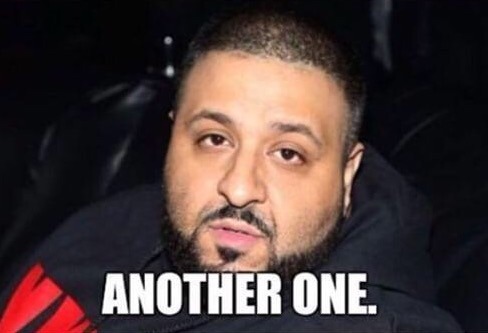
@FlippaDomains, and, another one.
tumblr_inline_nsmc1accGt1rh75qb_500.jpg


This time appleandbeats.com.

Now, we have a second report by @venturefile.com (to include the first of @Abdullah Abdullah) that [email protected] is not the best avenue to take when making a report. Taking it to the streets, or to namePros I should say, was best. Now, the issue is under a magnifying glass. Your marketplace is littered with trademarks, and, they keep managing to make their way into "promoted" (like the new one mentioned in this post). When this happens, it makes the integrity of the entire marketplace fall flat on its face as you're actively supporting this behavior.

What's your move? Remain passive about the issue as you have been, or, take a stance and join the only other marketplace (namePros) that is determined to rid markets of this nonsense?
 
0
•••
lol. fuck.
 
0
•••
Thanks to David and everyone chiming in here.

It's my goal to change the way we approach these. In the past, our Support and Integrity teams would retroactively cancel listings that were reported. That's the band-aid approach you speak of. The reason we didn't set things up more proactively with certain keywords was because of false positives. "Apple" for instance would cause headaches for the ApplesauceRecipe.com domains, et al.

THAT SAID, things like "playstation" and "sony" and "iphone" and - yes - "realtor" (@Kate) should be flagged from the get-go. It serves absolutely no one to have these appear in the marketplace, especially the 'Featured' section -- which isn't a Flippa-endorsed section, I should add. I'll get to that down below.

I always used to report trademark domains and most of the time received a reply that the item has been removed. However, last time I ever reported something, more than a year, I was told that the listing cannot be removed and will only be removed if complaint is.received from the trademark owner.

After that day, I stopped reporting any trademarked names I see on Flippa.

I have never again reported a domain and don't plan on doing it again in the future since it seems just a waste of time.

@venturefile.com + @Abdullah Abdullah - You are right, as that was our past approach. We will be taking these down more blatantly and proactively, both through automated and manual means. Still, I urge you and everyone reading to please keep reporting these, as it is inevitable we may miss a few on a daily basis.

In answer to your question, David...
Where are the new guidelines for members? Are they visible? Are they understandable?

It should be known that, first and foremost that our Terms and Conditions state explicitly that Trademarked assets are disallowed from being listed on the platform. That is stated in no uncertain terms in front of every single customer that signs up to use the platform. That said...

Are there tools to detect keyword phrases? Would these tools reject and warn a member of a domain containing a string and put the domain addition up for manual review?

...Yes, there are tools. The tools need a hard and fast update. That's something that I can handle and intend to with our Marketplace Integrity team in the coming days. As stated briefly above, we cannot blanketly stop things like "apple" and "beats" from entering into the system, nor will we be able to manually review each one that comes in (though I would be happy to see something like that appear in the future); however things like "applebeats" is an obvious offender and will be removed.

Do you have legal counsel to guide you in deciding what a TM is and isn't (and why I ask that is because of Domain Holding's auction of TrumpPence.com

I looked into Devoir Funches' listings (the Domain Holdings / Flippa affiliated broker behind the aforementioned domain) and found MakeAmericaGreatAgain.com. Luckily this time, the auction ended without a winner.

However, it's still listed for sale by offer.

Does Flippa not see a problem with this?

They bet on a naïve bidder to come along and swoop it up.

In the issue of these political domain names, there's a personal and professional opinion I can put forth; but only the professional one applies here. They are allowed on the platform. They rarely, if ever, sell -- but that does not mean our sellers are disallowed from listing them.

In the instances of the Trump-related domains, these were special cases. I say that not to dodge your legal eye, but because Devoir worked specifically with the Trump campaign to help them acquire the two that sold, and only listed MAGA publicly while in talks with the same Trump-org buyer of those prior two. We have had counsel on the TM issue with MAGA and it had been approved by their campaign as fair-use.

When a TM name is promoted to Featured or Editor’s Choice status it's no longer a passive listing made by a third party that was overlooked, it becomes an endorsement by Flippa. In theory it should make them legally liable.

@Kate ~ When has a TM'd domain name been promoted to Editor's Choice? Can you please clarify?

Regarding "Featured," this is an issue I am unable to address, unfortunately. The platform by nature provides a "Featured" upgrade to our customer base. Many mistakenly see that as a Flippa-endorsed placement, when in fact it is more of a paid advertisement. We've experimented in changing the wording to "Promoted" (In the Newsletter, I call it "Sponsored") and over time the entire platform will work to address this more appropriately.

It should be known, therefore, that anything in the "Featured" (or for domains, "Promoted") section are NOT Flippa-endorsed, never have been and never will be.

I am seriously in utter disbelief that you care @FlippaDomains. Did anyone read the memo at Flippa?

What's your move? Remain passive about the issue as you have been, or, take a stance and join the only other marketplace (namePros) that is determined to rid markets of this nonsense?

I see how worked up you are over this. You're right that it's subpar standards, and I have done the best I can to explain to you how I'll personally address this. In a matter of weeks, we will have updated our "blacklist" term list, and that should help curb the obvious ones. Because we cannot sit around and manually check hundreds or thousands of other potential TMs that roll in, we will still need the public's help in identifying some. Over time, it is my hope that we'll get this pretty well automated. Until then, we can only improve from where we're at now.

How about "accepting bids"? A bid should never have to be accepted.

Unrelated, but to end on a good note - yes, we fixed this awhile back. All bids on domain auctions now auto-accept, but the seller still has an option to tick-box 'manual accept' if he or she chooses.

Thanks for the dialogue, David. I'm going to remove those other ones you brought to our attention now and update you on the progress of our revised auto-reject plan.
 
Last edited:
2
•••
It should be known that, first and foremost that our Terms and Conditions state explicitly that Trademarked assets are disallowed from being listed on the platform. That is stated in no uncertain terms in front of every single customer that signs up to use the platform. That said...
We are on the Internet, sadly people don't read the T&C. But one thing I would do if I were running a marketplace is help the users a little bit. For example, I would design the system so that when a domain is submitted it would check if it doesn't contain hot TM strings. Then the user would have to double check them or you can flag the domains for manual review. Because obviously there will be false positives or borderline cases.

The aim is twofold: avoid bad reputation, possible legal problems and improve the quality of the submitted domains.
 
2
•••
We are on the Internet, sadly people don't read the T&C. But one thing I would do if I were running a marketplace is help the users a little bit. For example, I would design the system so that when a domain is submitted it would check if it doesn't contain hot TM strings. Then the user would have to double check them or you can flag the domains for manual review. Because obviously there will be false positives or borderline cases.

The aim is twofold: avoid bad reputation, possible legal problems and improve the quality of the submitted domains.
...kinda like what Sedo does? :lookaround:
 
0
•••
@FlippaDomains, it was pointed out earlier, and you even made mention of "realtor" to @Kate, but unlike the other listings (Playstation, Apple, etc.), it still remains actively featured.
  • realtorsapps.com
And maybe having someone on the team who has worked with Trump's campaign that has now been made aware of Trump's success rate at UDRP's in the past, you two should discuss whether these two should be featured as well (be sure to read the sales descriptions):
Be sure to bring up your customer base as well; not all of them are Trump's campaign. I'd say 99.999% are domain name investors that would ultimately make a bad choice. If your decision is to remove these, then, make it a policy to stay out of politics completely moving forward.
 
0
•••
THAT SAID, things like "playstation" and "sony" and "iphone" and - yes - "realtor" (@Kate) should be flagged from the get-go.
Yes, they should be flagged pending review, but not automatically rejected from the system. As seen below, the following .com domains (or any other n/cc/g/TLD for that matter containing these strings) would be rejected.
realtorah.com
realtorch.com
realtorchbearer.com
realtorchbearers.com
realtorched.com
realtorches.com
realtorching.com
realtorchless.com
realtorchlight.com
realtorchlighted.com
realtorchlights.com
realtorchlike.com
realtorchlit.com
realtorchwood.com
realtore.com
realtories.com
realtorment.com
realtormentable.com
realtormentation.com
realtormentations.com
realtormented.com
realtormentedly.com
realtormenter.com
realtormenters.com
realtormentful.com
realtormenting.com
realtormentingly.com
realtormentings.com
realtormentor.com
realtormentors.com
realtorments.com
realtorn.com
realtornadic.com
realtornado.com
realtornadoes.com
realtornadogenesis.com
realtornados.com
realtoro.com
realtoroid.com
realtoroidal.com
realtoroids.com
realtorpedo.com
realtorpedoed.com
realtorpedoes.com
realtorpedoing.com
realtorpedolike.com
realtorpid.com
realtorpidity.com
realtorpidly.com
realtorpids.com
realtorpor.com
realtorpors.com
realtorque.com
realtorqued.com
realtorquer.com
realtorquers.com
realtorques.com
realtorquing.com
realtorrent.com
realtorrential.com
realtorrentless.com
realtorrentlike.com
realtorrents.com
realtorrid.com
realtorrider.com
realtorridest.com
realtorridity.com
realtorridly.com
realtorridness.com
realtorsion.com
realtorsional.com
realtorsionally.com
realtorsioned.com
realtorsioning.com
realtorsionless.com
realtorsions.com
realtorso.com
realtorsos.com
realtort.com
realtorte.com
realtortellini.com
realtortellinis.com
realtortes.com
realtorticollis.com
realtortilla.com
realtortillas.com
realtortoise.com
realtortoises.com
realtortoiseshell.com
realtortoiseshells.com
realtorts.com
realtortuosities.com
realtortuosity.com
realtortuous.com
realtortuously.com
realtortuousness.com
realtorture.com
realtortured.com
realtorturedly.com
realtorturer.com
realtorturers.com
realtortures.com
realtorturing.com
realtorturous.com
realtorturously.com
realtorus.com
realtoruses.com
realtoruslike.com
There needs to be someone, with a slight clue of intellectual property law, that manually reviews domains as they come in case-by-case.
 
0
•••
Hi David,

That was not meant as an ad hominem argument, it was an honest question. An ad hominem attack would be something like me telling you that dropping the only Latin phrase you know in an internet discussion does not a debater make.

I’ll make it clear that I appreciate your thread and the effort you’ve put in by taking a stance on the issue, but with it comes a heavy responsibility to not mislead or misinform people on the requirements of a valid trademark infringement claim.

At one time I actually considered becoming a lawyer, but ultimately decided to settle with an MBA, and since have enjoyed 20 plus years of successful business practice. To pursue law was more in the interest of an elaborate hobby than to actually practice publicly (and let’s be honest: to save me from being gouged by any more of the obscene legal costs I’ve paid with past ventures). That said, I have studied Business Law – basic Intellectual Property Law with a special interest in Cyber Law (the Law of the Internet and Information Technology), more specifically – in a formal academic setting. In no way would I claim to be an expert, but that bit of education, coupled with my plethora of experience in building multiple multi-million dollar ventures across several continents, has provided me with at least a working knowledge of the basics.

So back to my point: the obvious examples of TM violations are just that – obvious. The various forums for buyers/sellers have an ethical responsibility to investigate and monitor these types of inclusions. It’s a very difficult issue to pursue Contributory Trademark Infringement with respect to those marketplaces, unless the legal team of the TM holder properly informs (in this case) Flippa with the knowledge required to govern accordingly. It’s not up to them to weed out the lesser known TMs, let alone big brand TMs, and it is patently unreasonable to expect this without the Trademark Owners’ representatives. (Ref: Tiffany’s (NJ) v eBay Inc. (2nd Cir. 2010)). Yet this is what you imply in your attack against Flippa.

The onus is then on the buyer to be accountable, to perform their due diligence before making a purchasing decision for their business. If the so-called ‘entrepreneur or domainer’ is incapable of carrying out this basic step, then he should perhaps consider a comprehensive overhaul of his business plan before another venture down the self employment path. It’s been this way since the start of commerce, and no amount of digitization of the marketplace will change the fundamentals of ethical business planning.

It is tricky to point a finger and cry trademark violation if you are not the TM holder or the courts. We simply don’t know all the facts, and unless you are able to succinctly cite reasonable case law to pursue the grey area of proposed violations, leave it to the appropriate representatives. Even amongst TM owners and their representatives, utilizing the Lidham Act, UDTPA, and of course, the likelihood-of-confusion test (applied by the courts), there are many examples of “big brands” losing their Trademark Infringement action. Take Toyota Motor Sales U.S.A., Inc. v. Tabari (2010) (Buy-A-Lexus.com; BuyorLeaseLexus.com), or Toyota vs Prius (a great foreign country example), or (2015-Paris) Gucci vs Guess (albeit not internet-based), which also lost in both Italian and American courts. These are all high profile cases in which public policing would have had the potential to cause irreparable harm.

My main concern in the pursuit of suspected trademark violations is where it fades into ambiguity. The responsibility for this assessment must move beyond public opinion and onto the TM holders and their legal advisors, or else risk becoming censorship. Self policing crusades have limits that they would do well to recognize. Consider cases where a company gave written permission for use of their trademarked word in a domain name (it happens, and with well-known corporations), or where the alleged offender lives abroad, or when the registered domain owner has more at play behind the scenes, guiding him/her in an entirely unique direction. Simply recognizing a name and proclaiming a TM violation is woefully insufficient.

The key factors in play are aspects such as geography of the domain holder (i.e. does the mark have significance in their region, are they a “first to file” country, etc.), the foundation of the trademark in question (their registered products/services: wares), timelines of registrations and filings, and so on.

Pertaining to the first consideration above, although most countries work together in harmony with respect to trademark details, each country has their own specific set of rules and laws. This is why large multinational corporations must go into each country of interest and deal with the registration of trademarks specific to those regions of the world. What might be easy to trademark in Canada is not in the U.S., and vice versa. To gain a better understanding, reference The Paris Convention, Madrid protocol and the Trademark Law Treaty (TLT). Oftentimes trademark owners must take the appropriate steps to ensure their rights to the mark are recognized in any country they seek to explore.

Even for corporations that do have their legal teams complete the appropriate trademarks, most of the focus is on the registered products/services associated to the mark. This is how you can have multiple companies with the same name, each having a trademark, but strictly defined as distinct from the next.

To be clear, I am not saying Cybersquatting doesn’t happen – it most certainly does, and as you strongly believe, it needs to be handled.

Instead of posting a thread on this topic solely to point out issues with specific domain names and how Flippa deals poorly with them, use your reach and intellect to either:

a) Bring in some IPL experts and run a series of Q&As for people to engage in a little ongoing series of learning threads. If ignorance is bliss, the threads of TM violation must be the ultimate nirvana. There is no mention of the multitude of tests, statutes, or regulations that have been implemented throughout the world markets to protect and regulate Trademark/Trade Name and Service Marks.

b) Point out those domains and educate the typical user of Namepros on some of the dos and don’ts of sourcing domain names. Use your examples as reference (Flippa and elsewhere), defining the potential TM violation with examples and references. After all, it’s a marketplace for domainers, in fact, the largest, and these people are the primary target. Nip this shit in the bud. It starts with the people responsible for the registration and selling of domain names. And until the laws change, has very little to do with free-market buyer/seller venues.

For now I’m tired of hearing people make claims and accusations based on wild opinion, because they’ve watched one too many episodes of Matlock reruns, picked up bits and pieces of information here and there or have based it all on a random selection of case law, without considering the many intricacies from a well rounded reference of past precedent.

Personally I’m done with this topic for now.

Do your fellow domainer/blogger proud and help educate them on the facts of Cyber Law. Leave the policing of potential infractions to people letting large corporations and TM holders know of the potential infractions, and stop mindlessly attacking the middle market…the courts rarely hold them liable, what makes you believe your knowledge is superior to the governing bodies of law?
 
2
•••
Hi David,

That was not meant as an ad hominem argument, it was an honest question. An ad hominem attack would be something like me telling you that dropping the only Latin phrase you know in an internet discussion does not a debater make.

I’ll make it clear that I appreciate your thread and the effort you’ve put in by taking a stance on the issue, but with it comes a heavy responsibility to not mislead or misinform people on the requirements of a valid trademark infringement claim.

At one time I actually considered becoming a lawyer, but ultimately decided to settle with an MBA, and since have enjoyed 20 plus years of successful business practice. To pursue law was more in the interest of an elaborate hobby than to actually practice publicly (and let’s be honest: to save me from being gouged by any more of the obscene legal costs I’ve paid with past ventures). That said, I have studied Business Law – basic Intellectual Property Law with a special interest in Cyber Law (the Law of the Internet and Information Technology), more specifically – in a formal academic setting. In no way would I claim to be an expert, but that bit of education, coupled with my plethora of experience in building multiple multi-million dollar ventures across several continents, has provided me with at least a working knowledge of the basics.

So back to my point: the obvious examples of TM violations are just that – obvious. The various forums for buyers/sellers have an ethical responsibility to investigate and monitor these types of inclusions. It’s a very difficult issue to pursue Contributory Trademark Infringement with respect to those marketplaces, unless the legal team of the TM holder properly informs (in this case) Flippa with the knowledge required to govern accordingly. It’s not up to them to weed out the lesser known TMs, let alone big brand TMs, and it is patently unreasonable to expect this without the Trademark Owners’ representatives. (Ref: Tiffany’s (NJ) v eBay Inc. (2nd Cir. 2010)). Yet this is what you imply in your attack against Flippa.

The onus is then on the buyer to be accountable, to perform their due diligence before making a purchasing decision for their business. If the so-called ‘entrepreneur or domainer’ is incapable of carrying out this basic step, then he should perhaps consider a comprehensive overhaul of his business plan before another venture down the self employment path. It’s been this way since the start of commerce, and no amount of digitization of the marketplace will change the fundamentals of ethical business planning.

It is tricky to point a finger and cry trademark violation if you are not the TM holder or the courts. We simply don’t know all the facts, and unless you are able to succinctly cite reasonable case law to pursue the grey area of proposed violations, leave it to the appropriate representatives. Even amongst TM owners and their representatives, utilizing the Lidham Act, UDTPA, and of course, the likelihood-of-confusion test (applied by the courts), there are many examples of “big brands” losing their Trademark Infringement action. Take Toyota Motor Sales U.S.A., Inc. v. Tabari (2010) (Buy-A-Lexus.com; BuyorLeaseLexus.com), or Toyota vs Prius (a great foreign country example), or (2015-Paris) Gucci vs Guess (albeit not internet-based), which also lost in both Italian and American courts. These are all high profile cases in which public policing would have had the potential to cause irreparable harm.

My main concern in the pursuit of suspected trademark violations is where it fades into ambiguity. The responsibility for this assessment must move beyond public opinion and onto the TM holders and their legal advisors, or else risk becoming censorship. Self policing crusades have limits that they would do well to recognize. Consider cases where a company gave written permission for use of their trademarked word in a domain name (it happens, and with well-known corporations), or where the alleged offender lives abroad, or when the registered domain owner has more at play behind the scenes, guiding him/her in an entirely unique direction. Simply recognizing a name and proclaiming a TM violation is woefully insufficient.

The key factors in play are aspects such as geography of the domain holder (i.e. does the mark have significance in their region, are they a “first to file” country, etc.), the foundation of the trademark in question (their registered products/services: wares), timelines of registrations and filings, and so on.

Pertaining to the first consideration above, although most countries work together in harmony with respect to trademark details, each country has their own specific set of rules and laws. This is why large multinational corporations must go into each country of interest and deal with the registration of trademarks specific to those regions of the world. What might be easy to trademark in Canada is not in the U.S., and vice versa. To gain a better understanding, reference The Paris Convention, Madrid protocol and the Trademark Law Treaty (TLT). Oftentimes trademark owners must take the appropriate steps to ensure their rights to the mark are recognized in any country they seek to explore.

Even for corporations that do have their legal teams complete the appropriate trademarks, most of the focus is on the registered products/services associated to the mark. This is how you can have multiple companies with the same name, each having a trademark, but strictly defined as distinct from the next.

To be clear, I am not saying Cybersquatting doesn’t happen – it most certainly does, and as you strongly believe, it needs to be handled.

Instead of posting a thread on this topic solely to point out issues with specific domain names and how Flippa deals poorly with them, use your reach and intellect to either:

a) Bring in some IPL experts and run a series of Q&As for people to engage in a little ongoing series of learning threads. If ignorance is bliss, the threads of TM violation must be the ultimate nirvana. There is no mention of the multitude of tests, statutes, or regulations that have been implemented throughout the world markets to protect and regulate Trademark/Trade Name and Service Marks.

b) Point out those domains and educate the typical user of Namepros on some of the dos and don’ts of sourcing domain names. Use your examples as reference (Flippa and elsewhere), defining the potential TM violation with examples and references. After all, it’s a marketplace for domainers, in fact, the largest, and these people are the primary target. Nip this sh*t in the bud. It starts with the people responsible for the registration and selling of domain names. And until the laws change, has very little to do with free-market buyer/seller venues.

For now I’m tired of hearing people make claims and accusations based on wild opinion, because they’ve watched one too many episodes of Matlock reruns, picked up bits and pieces of information here and there or have based it all on a random selection of case law, without considering the many intricacies from a well rounded reference of past precedent.

Personally I’m done with this topic for now.

Do your fellow domainer/blogger proud and help educate them on the facts of Cyber Law. Leave the policing of potential infractions to people letting large corporations and TM holders know of the potential infractions, and stop mindlessly attacking the middle market…the courts rarely hold them liable, what makes you believe your knowledge is superior to the governing bodies of law?


Hi @Micklepickle
well said,
you analysis has ,interesting facts to consider ,
a different view point to take in to account.
 
2
•••
CatchedCatched

We're social

Escrow.com
Spaceship
Rexus Domain
CryptoExchange.com
Domain Recover
CatchDoms
DomDB
NameFit
  • The sidebar remains visible by scrolling at a speed relative to the page’s height.
Back