NameSilo

discuss Science & Technology news & discussion

SpaceshipSpaceship
Watch

CraigD

Top Member
Impact
11,745
Post and discuss interesting articles & videos about science and technology.

You don't need to be an expert - just interested in the wonders of modern science, technology, and the history of these fields.

Please keep it rational, and post articles from reputable sources.
Try not to editorialise headlines and keep the copy to just a paragraph with a link to the original source. When quoting excerpts from articles, I think the best method is to italicise the copy, and include a link to the source.

Have some fun with your comments and discussions... just keep the sources legitimate.

Other threads:
The Break Room has a number of other popular threads, so there is no need to post material here that is better suited to these other threads:

- Covid19-Coronavirus updates and news
- Conspiracy Thread Free For All
- The *religious* discussion thread


Please enjoy!
 
Last edited:
13
•••
The views expressed on this page by users and staff are their own, not those of NamePros.
AfternicAfternic
Plastic trash can now be recycled into ultra-strong graphene

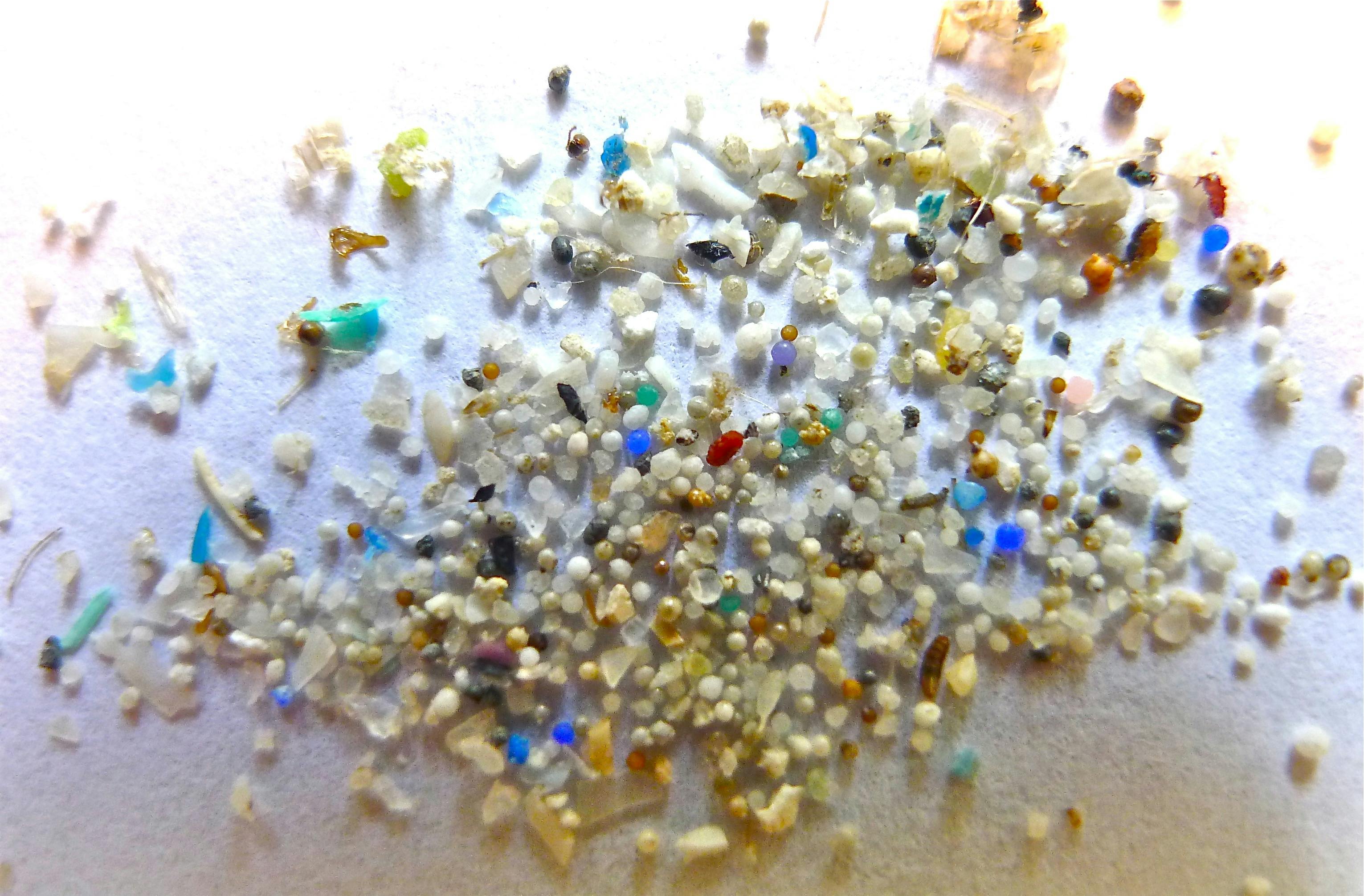
Packaging from the grocery store, lint from our clothing, plastic shopping bags – plastics and microplastics are everywhere, and they’re not going anywhere. In fact, it will take them hundreds of years to decompose in landfills . In order to speed up this decomposition process, scientists from Rice University are transforming these discarded plastics into non-toxic, naturally occurring materials. They’re doing this by using a newly developed technique called “flash Joule heating,” to rapidly heat plastic materials to very high temperatures .

21282786668_79dbd26f13_o.jpg


Flash joule heating is actually a fairly simple process that involves running a large current through plastic materials. Joule heating is a commonly used heating technique. If you’ve used an iron, you’ve seen Joule heating in action. When a current is passed through a conductive material, like the metal of an iron, it quickly generates heat. Flash joule heating just means that, rather than building up heat over time, a large initial current is passed through the material, which causes an intense burst of heat. In the case of plastic waste, with the right conditions, this intense heat can actually cause chemical transformations.

14660583146_38d9d6ea67_o.png

 
2
•••
Coca-Cola company trials first paper bottle

Coca-Cola is to test a paper bottle as part of a longer-term bid to eliminate plastic from its packaging entirely.

_116927272_adez_paper_bottle.jpg


The prototype is made by a Danish company from an extra-strong paper shell that still contains a thin plastic liner.

But the goal is to create a 100% recyclable, plastic-free bottle capable of preventing gas escaping from carbonated drinks.

The barrier must also ensure no fibres flake off into the liquid.

That would pose a risk of altering the taste of the drink - or potentially fall foul of health and safety checks.

But industry giants are backing the plan. Coca-Cola, for example, has set a goal of producing zero waste by 2030.

 
2
•••
2
•••
Neanderthal-inspired ‘minibrains’ hint at what makes modern humans special

https://www.sciencemag.org/news/202...ibrains-hint-what-makes-modern-humans-special

"What is it about DNA that makes the human brain “human?” Seeking to understand how our complex brains evolved, researchers have now switched a single human gene out for its Neanderthal counterpart in brain tissue grown in a lab dish. Changes to the resulting organoid reveal the role this gene may have played in ancientand modernbrain development.

Neanderthals are archaic humans that lived from 500,000 years ago to about 11,700 years ago, interbreeding with our species, Homo sapiens, for much of that time. Their brains were about as big as ours, but anthropologists think they must have worked incredibly differently, because in those hundreds of thousands of years, Neanderthals never achieved the sophisticated technology and artistry humans have.

To explore what differences might exist, neuroscientist Alysson Muotri at the University of California (UC), San Diego, and his team first compared the genomes of modern humans with those of Neanderthals and Denisovans—another archaic human—reconstructed from excavated bones. They found 61 genes for which modern humans all had one version and the archaic humans had another.

His team then used the gene-editing tool CRISPR on stem cells derived from human skin cells to modify a gene, NOVA1, known to regulate the activity of other genes during early brain development. Switching out just one DNA base turned that gene into a Neanderthal NOVA1. Next, the researchers grew little clusters of brain cells called organoids, with and without the Neanderthal version, and compared them."
 
Last edited:
1
•••

Fungi create genes to “win over” their plant friends and neighbors

Monocultures, where large fields have only one kind of plant like wheat, soybean, and corn can deplete soil nutrients. Using fungi could be a way for farmers to help their crops get more, but matching the fungi to a specific crop can be challenging: we need to know how they communicate using specific genes.

Researchers have found that fungi can gain genes for plant-attracting characteristics in multiple ways, including making them from scratch or borrow from other fungi.

Mycorrhizal_root_tips_(amanita).jpg


After fungi exposure to the root, if plants express a specific gene at their root during symbiosis, it can suggest that might be important fungi communication, explains Yen-Wen (Denny) Wang, a graduate student at the University of Wisconsin-Madison and author of a recent study on fungi genes and plant relationships published in the Genome Biology and Evolution journal.
 
Last edited:
1
•••
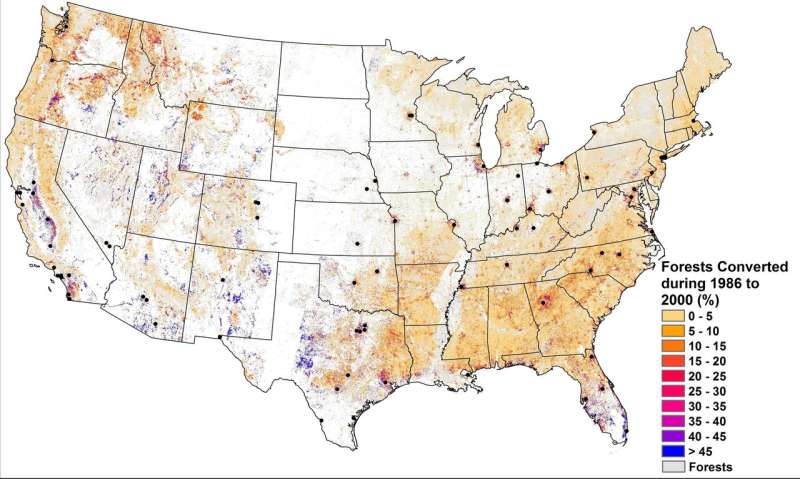
More trees do not always create a cooler planet, geographer finds

New research by Christopher A. Williams, an environmental scientist and professor in Clark University's Graduate School of Geography, reveals that deforestation in the U.S. does not always cause planetary warming, as is commonly assumed; instead, in some places, it actually cools the planet. A peer-reviewed study by Williams and his team, "Climate Impacts of U.S. Forest Loss Span Net Warming to Net Cooling," published today (Feb. 12) in Science Advances. The team's discovery has important implications for policy and management efforts that are turning to forests to mitigate climate change.


1-moretreesdon.jpg


Forests also tend to be darker than other surfaces, said Professor Williams, causing them to absorb more sunlight and retain heat, a process known as "the albedo effect."

"We found that in some parts of the country like the Intermountain West, more forest actually leads to a hotter planet when we consider the full climate impacts from both carbon and albedo effects," said Professor Williams. It is important to consider the albedo effect of forests alongside their well-known carbon storage when aiming to cool the planet, he adds.

 
3
•••
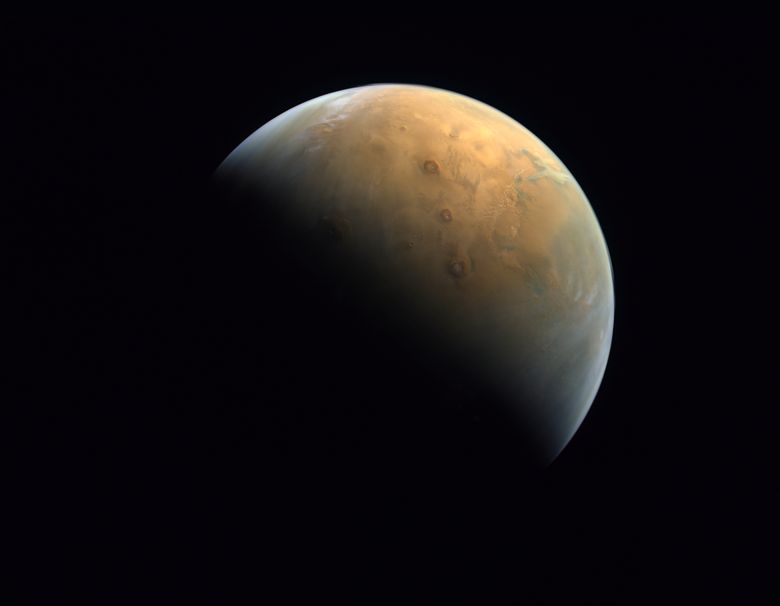
United Arab Emirates publishes first photo from Mars probe

urn-publicid-ap-org-f1df72d1b0c07b5ed97b586b1e247428Emirates_Mars_26688-780x606.jpg
 
2
•••
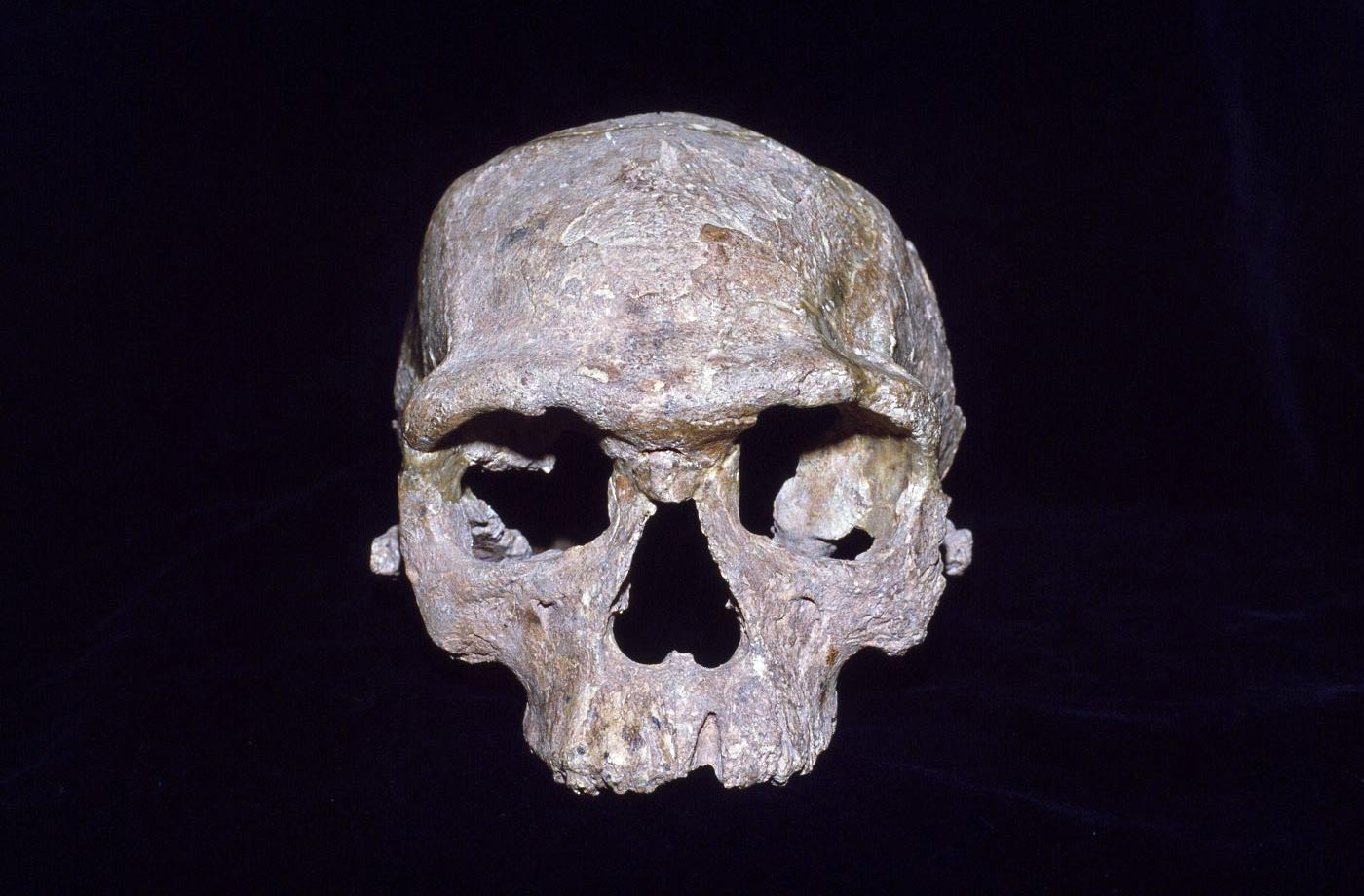
On the Origin of Our Species: Untangling Ancestry in the Evolution of Homo sapiens

Jebel-Irhoud-Cranium.jpg


Experts from the Natural History Museum, The Francis Crick Institute, and the Max Planck Institute for the Science of Human History Jena have joined together to untangle the different meanings of ancestry in the evolution of our species Homo sapiens.

Most of us are fascinated by our ancestry, and by extension the ancestry of the human species. We regularly see headlines like ‘New human ancestor discovered’ or ‘New fossil changes everything we thought about our ancestry’, and yet the meanings of words like ancestor and ancestry are rarely discussed in detail. In the new paper, published in Nature, experts review our current understanding of how modern human ancestry around the globe can be traced into the distant past, and which ancestors it passes through during our journey back in time.

https://scitechdaily.com/on-the-ori...ng-ancestry-in-the-evolution-of-homo-sapiens/
 
2
•••
A curious observer’s guide to quantum mechanics, Pt. 6: Two quantum spooks

Proof that the world can be much stranger than we expect


Throughout our quantum adventures to date, we’ve seen a bunch of interesting quantum effects. So for our last major excursion, let’s venture into a particularly creepy corner of the quantum wood: today, we’re going to see entanglement and measurement order.

Together, these two concepts create some of the most counterintuitive effects in quantum mechanics. They are so counterintuitive that this is probably a good time to re-emphasize that nothing in this series is speculative—everything we’ve seen is backed by hundreds of observations. Sometimes the world is much stranger than we expect it to be.

https://arstechnica.com/science/202...to-quantum-mechanics-pt-6-two-quantum-spooks/


About this article series:
One of the quietest revolutions of our current century has been the entry of quantum mechanics into our everyday technology. It used to be that quantum effects were confined to physics laboratories and delicate experiments. But modern technology increasingly relies on quantum mechanics for its basic operation, and the importance of quantum effects will only grow in the decades to come. As such, physicist Miguel F. Morales has taken on the herculean task of explaining quantum mechanics to laypeople in this seven-part series (no math, we promise). [This] is the sixth story in the series, but you can always find the starting story plus a landing page for the entire series thus far on site.
 
Last edited:
2
•••
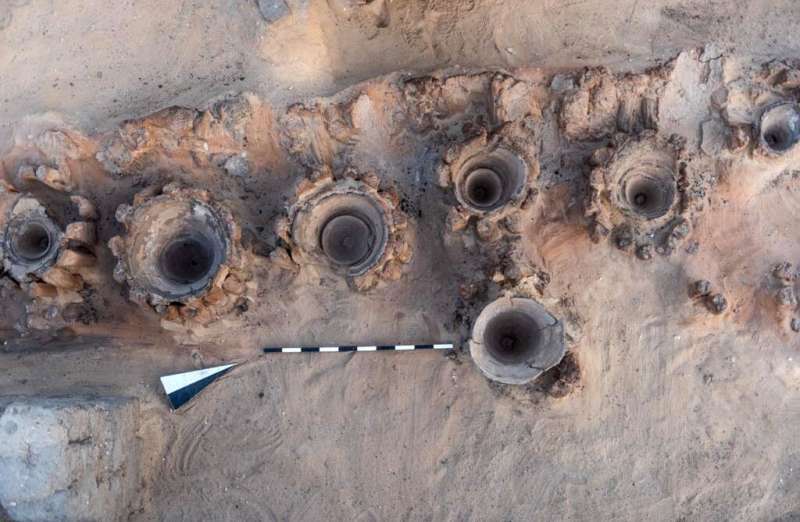
Egypt unearths 'world's oldest' mass-production brewery

thevatsunear.jpg


A high-production brewery believed to be more than 5,000 years old has been uncovered by a team of archaeologists at a funerary site in southern Egypt, the tourism ministry said Saturday.

The site containing several "units" consisting of about 40 earthenware pots arranged in two rows was uncovered at North Abydos, Sohag, by a joint Egyptian-American team, the ministry said in a statement on its Facebook page.

The brewery likely dates back to the era of King Narmer, it quoted the secretary general of Egypt's Supreme Council of Antiquities, Mostafa Waziry, as saying, adding it believed the find to "be the oldest high-production brewery in the world."

https://phys.org/news/2021-02-egypt-archaeologists-unearth-ancient-beer.html
 
3
•••
Discovery of ancient Bogong moth remains at Cloggs Cave gives insight into Indigenous food practices

13145446-16x9-xlarge.jpg


Researchers from Monash University collaborated with traditional owners from the Gunaikurnai Land and Waters Corporation (GLaWAC), to excavate the cave for the first time in 50 years, and found microscopic remains of Bogong moth on a small grinding stone tool believed to be up to 2,000 years old.

It is the first conclusive archaeological evidence of insect food remains found on a stone artefact anywhere in the world.

https://www.abc.net.au/news/2021-02...ndigenous-food-practices-cloggs-cave/13139704


https://en.wikipedia.org/wiki/Bogong_moth
 
2
•••
2
•••
Strange creatures accidentally discovered beneath Antarctica's ice shelves

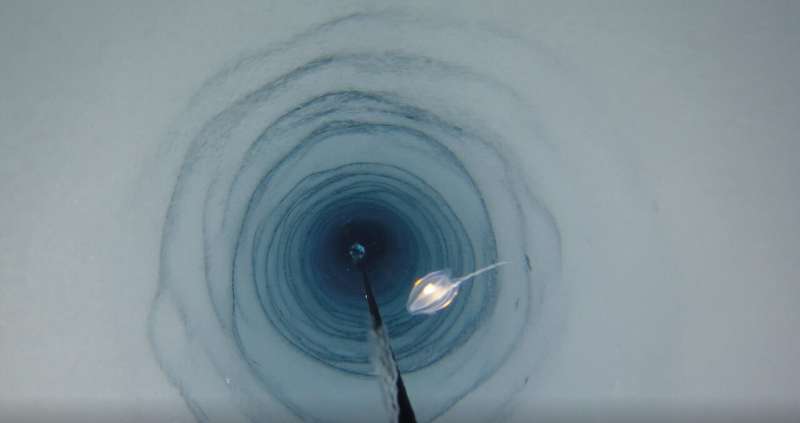
Far underneath the ice shelves of the Antarctic, there's more life than expected, finds a recent study in the journal Frontiers in Marine Science.

strangecreat.jpg


During an exploratory survey, researchers drilled through 900 meters of ice in the Filchner-Ronne Ice Shelf, situated on the south eastern Weddell Sea. At a distance of 260km away from the open ocean, under complete darkness and with temperatures of -2.2°C, very few animals have ever been observed in these conditions.

But this study is the first to discover the existence of stationary animals—similar to sponges and potentially several previously unknown species—attached to a boulder on the sea floor.

Given the water currents in the region, the researchers calculate that this community may be as much as 1,500km upstream from the closest source of photosynthesis. Other organisms are also known to collect nutrients from glacial melts or chemicals from methane seeps, but the researchers won't know more about these organisms until they have the tools to collect samples of these organisms—a significant challenge in itself.
 
Last edited:
3
•••
3
•••
SolarWinds hack was the work of thousands, says Microsoft

Security experts say cyberattack on SolarWinds was clearly well coordinated.

The SolarWinds hack that affected hundreds of public and private networks across the globe may have been the work of thousands of cyberattackers.

Microsoft president Brad Smith told US news program 60 Minutes that an internal analysis of the attack found that “certainly more than 1,000” software engineers had been involved.

It remains unclear who these threat actors are or who coordinated their efforts, but most experts believe the SolarWinds attack was sponsored by the Russian state. Smith added his backing to this claim by highlighting that the Russian Government previously employed a mass supply chain disruption tactic in Ukraine.

https://www.techradar.com/au/news/solarwinds-hack-was-the-work-of-thousands-says-microsoft
 
2
•••
CO2 dip may have helped dinosaurs walk from South America to Greenland

co2dipmayhav.jpg


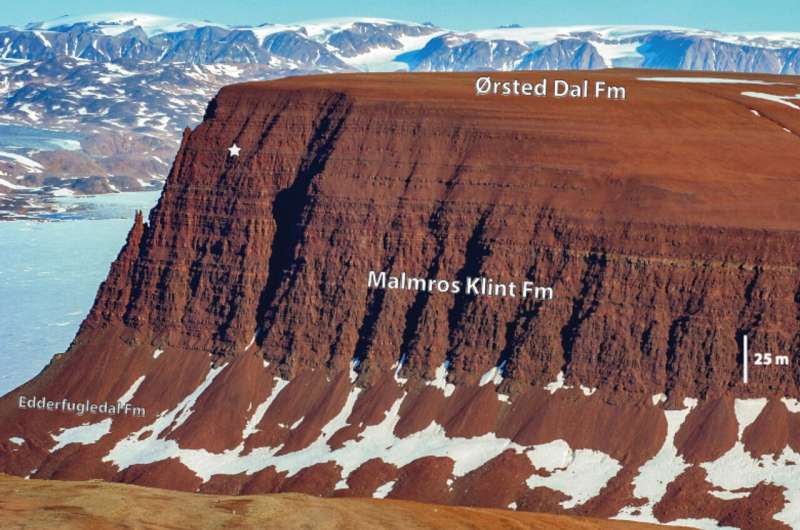
A new paper refines estimates of when herbivorous dinosaurs must have traversed North America on a northerly trek to reach Greenland, and points out an intriguing climatic phenomenon that may have helped them along the journey.

The study, published today in Proceedings of the National Academy of Sciences, is authored by Dennis Kent, adjunct research scientist at Columbia University's Lamont-Doherty Earth Observatory, and Lars Clemmensen from the University of Copenhagen.

Previous estimates suggested that sauropodomorphs—a group of long-necked, herbivorous dinosaurs that eventually included Brontosaurus and Brachiosaurus—arrived in Greenland sometime between 225 and 205 million years ago. But by painstakingly matching up ancient magnetism patterns in rock layers at fossil sites across South America, Arizona, New Jersey, Europe and Greenland, the new study offers a more precise estimate: It suggests that sauropodomorphs showed up in what is now Greenland around 214 million years ago. At the time, the continents were all joined together, forming the supercontinent Pangea.

https://phys.org/news/2021-02-co2-dip-dinosaurs-south-america.html
 
1
•••
Study: All monogamous mammals are not 'wired for love' in the same way

Humans aren't the only mammals that form long-term bonds with a single, special mate -- some bats, wolves, beavers, foxes and other animals do, too. But new research suggests the brain circuitry that makes love last in some species may not be the same in others.

The study, appearing Feb. 12 in the journal Scientific Reports, compares monogamous and promiscuous species within a closely related group of lemurs, distant primate cousins of humans from the island Madagascar.

To biologists, monogamy is somewhat a mystery. That's in part because in many animal groups it's rare. While around 90% of bird species practice some form of fidelity to one partner, only 3% to 5% of mammals do. The vast majority of the roughly 6,500 known species of mammals have open relationships, so to speak.

Which raises a question: what makes some species biologically inclined to pair up for the long haul while others play the field?

https://www.news-medical.net/news/2...s-are-not-wired-for-love-in-the-same-way.aspx
 
1
•••
Planet Nine Might Be a Giant Illusion, Scientists Say, And Here's Why

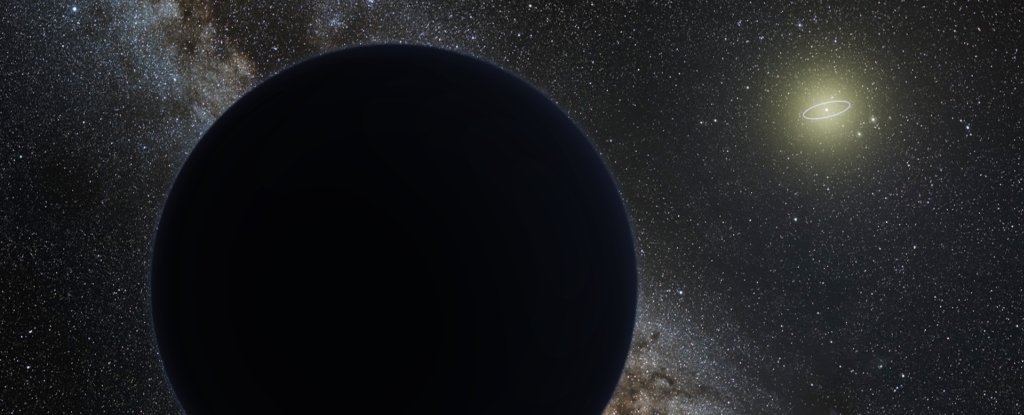
A hypothetical mystery planet thought to be responsible for strange orbits in the outer Solar System just got dealt one of its biggest blows yet.
planet-nine_1024.jpg


According to a comprehensive analysis of extremely distant objects, led by physicist Kevin Napier of the University of Michigan, Planet Nine may not exist - because the evidence for its existence doesn't exist. Rather, what astronomers took to be the influence of a planet's gravity is instead selection bias in the observations.
 
2
•••
Neanderthals used stone tool tech once considered exclusive to Homo sapiens
A child's molar from an Israeli cave links Neanderthals to the cave's stone tools.

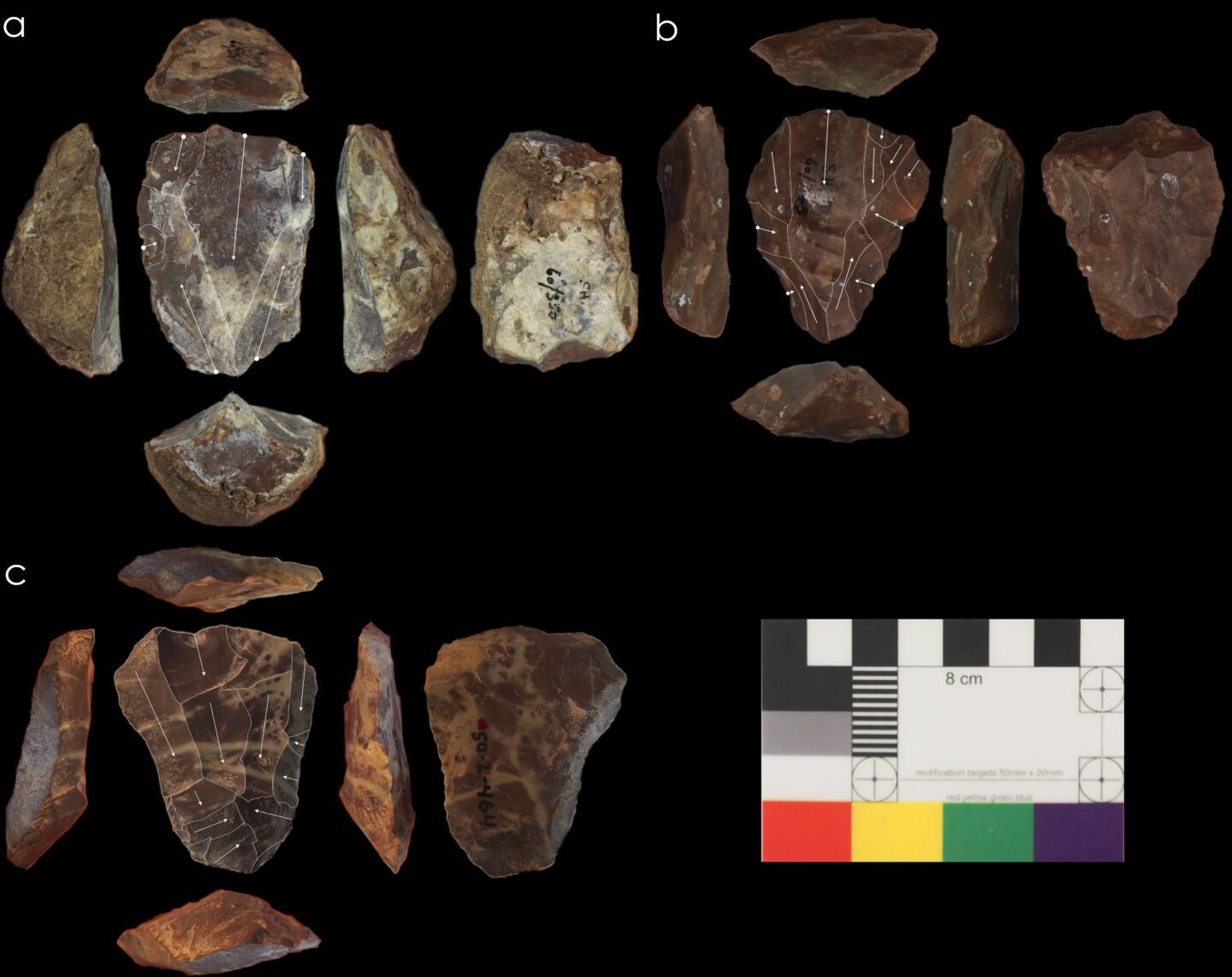
The entangled history of Homo sapiens and Neanderthals in the Levant (the area around the eastern end of the Mediterranean) just got even more complicated. Paleoanthropologists recently identified a tooth from Shukbah Cave, 28km (17.5 miles) northwest of Jerusalem, as a Neanderthal molar. That makes Shukbah the southernmost trace of Neanderthals ever found, and it also links our extinct cousins to a stone tool technology previously considered an exclusive trademark of Homo sapiens.
Nubian-Levallois-cores-from-Shukbah-1440x1142.jpg


Blinkhorn and his colleagues used computed tomography (CT) scans to measure the internal and external shape and structure of the tooth. They compared those shapes and measurements to other Neanderthal and Homo sapiens molars from southwest Asian sites. In the end, the tooth clearly belonged in a category with the Neanderthal molars.
 
1
•••
Astronomers: A comet fragment, not an asteroid, killed off the dinosaurs
Jupiter's gravity pushed comet toward Sun; comet was ripped apart by tidal forces.

However, in a new paper published in Scientific Reports, Harvard astronomers offer an alternative: a special kind of comet—originating from a field of debris at the edge of our solar system known as the Oort cloud—that was thrown off course by Jupiter's gravity toward the Sun. The Sun's powerful tidal forces then ripped pieces off the comet, and one of the larger fragments of this "cometary shrapnel" eventually collided with Earth.


The most widely accepted explanation for what triggered that catastrophic mass extinction is known as the "Alvarez hypothesis," after the late physicist Luis Alvarez and his geologist son, Walter. In 1980, they proposed that the extinction event may have been caused by a massive asteroid or comet hitting the Earth. They based this conclusion on their analysis of sedimentary layers at the Cretaceous-Paleogene boundary (the K-Pg boundary, formerly known as the K-T boundary) found all over the world, which included unusually high concentrations of iridium—a metal more commonly found in asteroids than on Earth. (That same year, Dutch geophysicist Jan Smit independently arrived at a similar conclusion.)


Since then, scientists have identified a likely impact site: a large crater in Chicxulub, Mexico, in the Yucatan Peninsula, first discovered by geophysicists in the late 1970s. The impactor that created it was sufficiently large (between 11 and 81 kilometers, or 7 to 50 miles) to melt, shock, and eject granite from deep inside the Earth, probably causing a megatsunami and ejecting vaporized rock and sulfates into the atmosphere. This in turn had a devastating effect on global climate, leading to mass extinction.
 
3
•••
Dynadot — .com TransferDynadot — .com Transfer

We're social

Spaceship
Domain Recover
CatchDoms
DomainEasy — Payment Flexibility
  • The sidebar remains visible by scrolling at a speed relative to the page’s height.
Back